Community
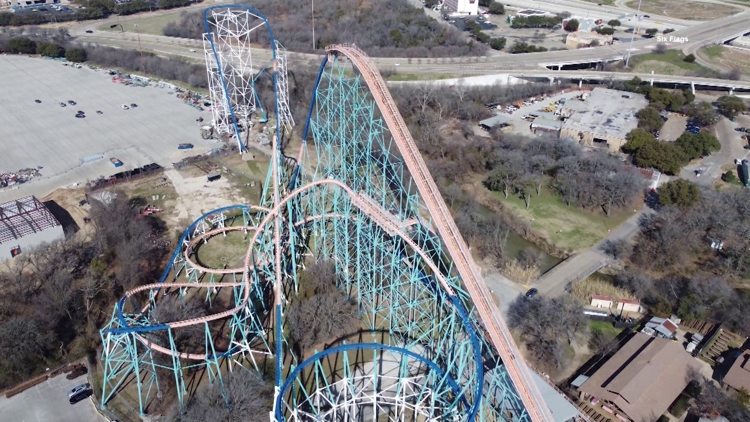
Guests pulled off Titan roller coaster at Six Flags over Texas after one person violated code of conduct, park says
By Linda Nguyen
Advertisement · Why this ad?
Linda Nguyen has a Master’s degree in Communication from Texas Southern University and has worked as a community journalist for over a decade. Previously with the Fort Bend Star, she is known for her dedication to covering local events and human-interest stories that resonate with Sugar Land residents.
More from Linda →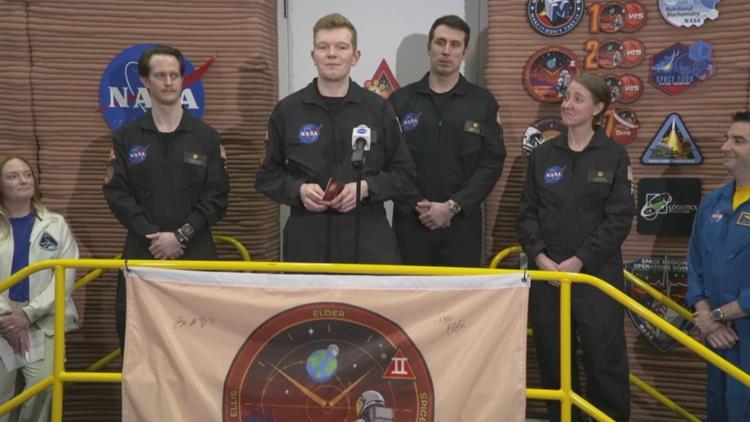
As the sun began to set over the Houston skyline, the air buzzed with anticipation and excitement. A small crowd gathered outside a 3D-printed habitat, its sleek lines and futuristic design standing in stark contrast to the familiar Texan landscape. After a grueling year of isolation, four brave volunteers emerged, their faces a mix of relief and exhilaration. They had just completed a mission that simulated living on Mars, a venture that tested their endurance, teamwork, and resilience.
The project, known as the CHAPEA (CHAllenge for Planning and Execution of Activities), was launched by NASA to explore the psychological and physical challenges of long-duration space missions. The four volunteers, who were selected from hundreds of applicants, lived in a 1,700-square-foot habitat designed to mimic Martian conditions. They were isolated from the outside world, facing challenges such as limited resources, communication delays, and the need for close collaboration.
During their year-long commitment, the volunteers engaged in various activities that mirrored what astronauts would experience on Mars. They conducted scientific experiments, maintained the habitat, and even trained in simulated spacewalks. The habitat was equipped with state-of-the-art technology, but it was the human element—communication, cooperation, and camaraderie—that proved to be the most critical.
The four volunteers—Dr. Sarah Thompson, an aerospace engineer; Mark Johnson, a former military pilot; Emily Chen, a biologist; and David Lee, a software developer—each brought unique skills to the team. Their backgrounds and experiences shaped their approach to the challenges they faced. Dr. Thompson, for instance, often took the lead in problem-solving, while Emily’s expertise in biology was crucial when it came to maintaining their food supply through hydroponics.
As they navigated the complexities of their mission, they also documented their experiences through daily logs and video diaries. These entries provided a glimpse into their lives in isolation, revealing moments of joy, frustration, and profound reflection. Mark shared, “There were days when I felt overwhelmed, but we learned to lean on each other. That’s what kept us going.”
The completion of the CHAPEA mission has sparked a wave of interest and excitement within the Sugar Land community. Local schools and organizations have rallied around the volunteers, eager to learn from their experiences. “It’s inspiring to see our neighbors take on such a monumental challenge,” said Principal Maria Gonzalez of Sugar Land High School. “We’re planning a science fair to highlight their achievements and encourage our students to dream big.”
Community members have also expressed their admiration through social media, sharing messages of encouragement and congratulations. The volunteers have become local heroes, embodying the spirit of exploration and resilience. “I never thought I’d be part of something so significant,” Emily reflected. “It’s not just about space; it’s about what we can achieve when we work together.”
In a bid to inspire future generations, the volunteers have committed to engaging with local youth. They plan to host workshops and presentations at local schools and community centers, discussing their experiences and the importance of STEM education. “We want to show kids that the sky isn’t the limit; it’s just the beginning,” David said with enthusiasm.
The Sugar Land Chamber of Commerce has also expressed interest in collaborating with the volunteers to create educational programs that emphasize science, technology, engineering, and mathematics. “This is an incredible opportunity for our community to come together and support the next generation of innovators,” said Chamber President Lisa Martinez.
The Sugar Land community’s response has been overwhelmingly positive, with local businesses stepping up to support the volunteers’ initiatives. Restaurants and cafes are offering discounts for students who attend the workshops, while bookstores have agreed to host book signings for the volunteers’ upcoming publications on their experiences. “It’s a win-win situation,” said local entrepreneur Jennifer Patel. “We’re excited to promote education while supporting our local heroes.”
Additionally, the city has announced plans to create a dedicated space within the Sugar Land Parks Department for educational programs centered around space exploration and science. “We want to make sure that the legacy of the CHAPEA mission continues to inspire our community for years to come,” said Parks Director Tom Reynolds.
As they step back into everyday life, the volunteers are not just returning to their previous careers; they are embarking on a new mission. They plan to leverage their experience to advocate for space exploration and the importance of mental health in high-stress environments. “We learned so much about ourselves and each other,” Dr. Thompson stated. “We want to share those lessons with others.”
In the coming months, the volunteers will participate in various speaking engagements and public events, sharing their insights and lessons learned during the CHAPEA mission. They hope to collaborate with NASA and other organizations to further research on the psychological effects of isolation in space.
Looking ahead, the volunteers are optimistic about the future of space exploration. They believe that their experiences can contribute to the ongoing dialogue about human spaceflight and the importance of preparing for long-duration missions. “We’re at the brink of something incredible,” Mark said. “The more we understand about living in space, the closer we get to making it a reality.”
As the community of Sugar Land welcomes these pioneers back into their lives, there is a palpable sense of pride and excitement. The lessons learned from their year in isolation will resonate far beyond the walls of the habitat, inspiring a new wave of curiosity and ambition among residents of all ages. The future is bright, and together, they are ready to reach for the stars.
The impact of the CHAPEA mission extends beyond the immediate community. As the volunteers share their experiences, they hope to contribute to a larger conversation about the future of space exploration and the role of human resilience in overcoming challenges. Their story serves as a reminder that exploration is not just about the destination, but also about the journey and the connections we build along the way.
As they prepare for their upcoming engagements, the volunteers are also focused on creating a network of support for those interested in pursuing careers in STEM fields. They envision a mentorship program that pairs students with professionals in science and engineering, providing guidance and encouragement. “We want to create pathways for young people to follow their dreams,” Emily emphasized. “It’s about building a community that values innovation and exploration.”
In conclusion, the CHAPEA mission has not only tested the limits of human endurance but has also ignited a spark of curiosity and ambition within the Sugar Land community. As the volunteers look to the future, they are determined to keep the spirit of exploration alive, inspiring generations to come.
By Linda Nguyen

By Tanya Patel

By Tanya Patel
By Linda Nguyen