Community
Former Turkey Leg Hut owner sentenced to more than 8 years in federal arson case
By Sophia Tran
Advertisement · Why this ad?
Ethan Lee has a Bachelor’s degree in Political Science from Rice University and has covered local government and civic affairs for 6 years. His previous work includes reporting for the Fort Bend Herald and he brings a critical eye to local governance.
More from Ethan →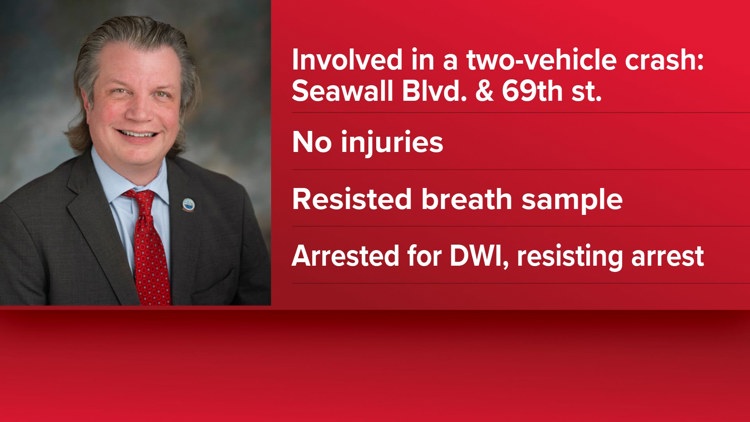
On a quiet Tuesday evening in Sugar Land, an unexpected scene unfolded as police lights illuminated the streets around a minor crash site. Councilmember Hardcastle, known for his commitment to local governance and community engagement, found himself at the center of a troubling incident that would soon send shockwaves through the city. Reports indicate that no one was injured in the crash, but the subsequent investigation revealed a more alarming situation: Hardcastle was arrested on charges of DWI and resisting arrest.
The event took place on a typical evening in Sugar Land, where residents expect their leaders to uphold the law, not break it. According to police reports, officers responded to the scene of a crash involving Hardcastle’s vehicle. Upon arrival, they observed signs of potential intoxication, prompting a more thorough investigation. Officers conducted field sobriety tests, during which Hardcastle allegedly resisted arrest, leading to additional charges.
While the details of the crash itself were minor, the implications of Hardcastle's actions are anything but trivial. As a city councilmember, he has a responsibility to his constituents, and this incident raises questions about his judgment and ability to serve effectively. The police report indicated that Hardcastle was cooperative at first but became increasingly uncooperative when asked to submit to sobriety tests.
The Sugar Land community has responded with a mixture of shock and disappointment. Many residents have expressed their concerns over the incident, emphasizing the importance of integrity in public office. Local resident Maria Gonzalez shared her thoughts: "It’s disheartening to see someone we elected to represent us involved in such behavior. We expect our leaders to be role models, and this kind of conduct undermines that trust."
As news of the arrest spread, local social media platforms buzzed with reactions. Some residents called for Hardcastle to step down, arguing that his actions reflect poorly on the entire council. Others urged the community to reserve judgment until all facts are disclosed. This incident has sparked discussions about accountability and the standards to which elected officials should be held.
The fallout from Hardcastle's arrest highlights a broader issue of public trust in government officials. When leaders falter, it can lead to a loss of faith among constituents. John Smith, a political analyst, commented, "Elected officials are expected to set an example. When they fail to do so, it raises questions about their commitment to the community and their ability to govern effectively."
In Sugar Land, where community values run deep, this incident hits particularly hard. Residents pride themselves on their city's reputation for safety and strong leadership. Hardcastle's actions not only jeopardize his position but also challenge the community's perception of its elected officials.
As the dust settles from this incident, questions loom about Hardcastle's future on the council. The legal process will likely unfold in the coming weeks, with court dates set to address the DWI and resisting arrest charges. In Texas, a DWI conviction can carry severe penalties, including fines, community service, and even jail time, depending on the circumstances.
Moreover, the city council will have to grapple with the implications of Hardcastle's actions. Will he resign, or will he attempt to maintain his position while addressing these charges? The council's response could set a precedent for how similar situations are handled in the future.
In light of this incident, local organizations are stepping up to provide support for residents affected by the news. The City of Sugar Land has resources available for those seeking assistance or wanting to discuss concerns about public safety and leadership. Additionally, community organizations are emphasizing the importance of responsible behavior and the impact of substance abuse.
Local leaders are also calling for open dialogues within the community. Mayor Joe Zimmerman stated, "We need to come together as a community to discuss what happened, why it matters, and how we can move forward positively. This is an opportunity for us to reinforce our values and expectations for our leaders."
As Sugar Land navigates the aftermath of Hardcastle's arrest, the community is left to ponder what it means for their future. Will this incident serve as a wake-up call for greater accountability among public officials? Or will it fade into the background, overshadowed by the next news cycle? The answer lies in the hands of both the council and the constituents who elected them.
In the coming weeks, residents will be closely watching how Hardcastle handles his legal challenges and whether he can regain the trust of the community he serves. The stakes are high, not just for Hardcastle but for the integrity of the entire Sugar Land city council. As this story develops, it will undoubtedly continue to shape the narrative of leadership in the city.
This incident raises questions beyond just Hardcastle's personal accountability; it touches on the broader implications for governance in Sugar Land. The community has long prided itself on its progressive leadership and high standards for elected officials. Hardcastle's actions may prompt a reevaluation of the criteria by which candidates are selected for public office. Local advocacy groups are already calling for more stringent vetting processes to ensure that those in power reflect the values of the community.
Moreover, this incident could lead to increased discussions about the need for educational programs focused on responsible alcohol consumption and the consequences of impaired driving. Local schools and community organizations may take this opportunity to reinforce the message of safe driving and the importance of making responsible choices.
In the wake of the incident, other members of the Sugar Land City Council have begun to voice their opinions. Councilmember Linda Chen stated, "This is a serious matter that affects not just the individual but the entire council and the community we serve. We must take this opportunity to reflect on our responsibilities and the trust placed in us by our constituents."
Additionally, Councilmember Mark Thompson echoed similar sentiments, emphasizing the need for transparency and accountability within the council. "We cannot allow this incident to define us, but we must address it head-on. The community deserves to know that we take these matters seriously and that we are committed to upholding the standards expected of us."
As the community processes this incident, there may be an increased demand for public forums where residents can voice their concerns and ask questions about the council's direction. Engaging the community in meaningful discussions can help restore trust and demonstrate that the council is responsive to its constituents' needs. These forums could also serve as platforms for local leaders to outline their plans for moving forward and discuss how they intend to prevent similar situations from occurring in the future.
Ultimately, the road ahead for Sugar Land will depend on how both the council and the community respond to this incident. It will require a collective effort to rebuild trust and ensure that the values of transparency, accountability, and integrity remain at the forefront of local governance.
By Sophia Tran

By Jamal Carter

By Linda Nguyen

By Tanya Patel