
Community
Quail Valley neighborhood in Missouri City draws Halloween crowds with elaborate decorations
By Linda Nguyen
Advertisement · Why this ad?
With a Master’s in Public Affairs from Texas A&M University, Sophia Tran has 4 years of experience in community journalism, previously working for local TV news. She is passionate about covering community initiatives, local government, and public policy in Sugar Land.
More from Sophia →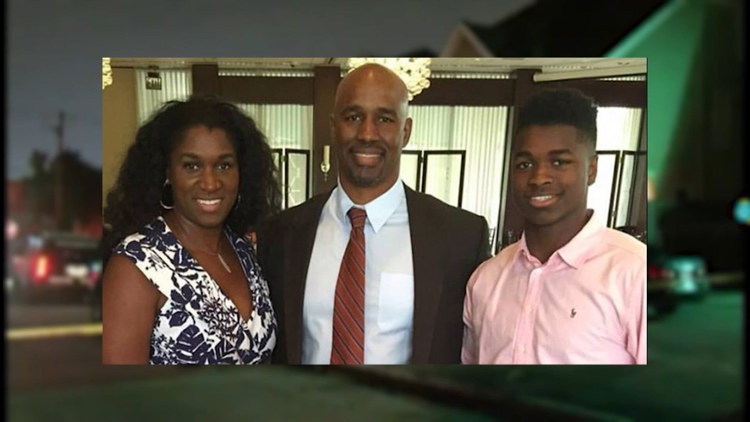
In the quiet suburb of Sugar Land, Texas, the air is thick with tension as residents grapple with the recent judicial decision regarding AJ Armstrong, a local man whose life has been upended by a murder conviction. As the sun sets on the city, casting long shadows over the neatly manicured lawns, the community reflects on the implications of the judge's ruling—a decision that has left many questioning the integrity of the legal system and the future of a young man who once had his whole life ahead of him.
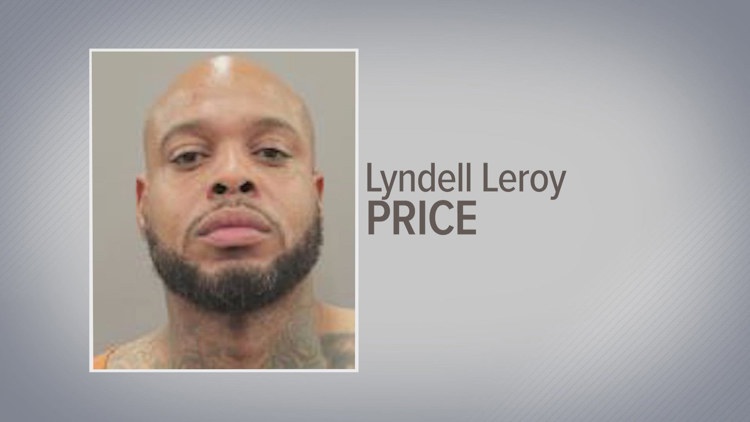
On a fateful day in July 2016, AJ Armstrong was arrested and charged with the murder of his parents, 50-year-old A.J. Armstrong Sr. and 48-year-old Dawn Armstrong. The case garnered significant media attention, highlighting the tragic loss of two lives and the subsequent turmoil faced by their son. After a lengthy trial, AJ was convicted in 2019 and sentenced to life in prison. However, the story did not end there. On October 10, 2023, Judge Michael McSpadden ruled against AJ's motion for a new trial, a decision that has reverberated through the community.
The motion for a new trial was based on claims of ineffective assistance of counsel and the discovery of new evidence that could potentially exonerate AJ. Supporters of AJ argue that the legal representation he received during his initial trial was inadequate, and the evidence presented at the time was circumstantial at best. Despite these arguments, Judge McSpadden found no merit in the motion, effectively sealing AJ's fate for the foreseeable future.
The ruling has sparked a wave of emotions among Sugar Land residents. Many have taken to social media to express their disbelief and frustration. “It feels like a miscarriage of justice,” said local resident Maria Gonzalez. “How can we sit back and accept this when there are so many unanswered questions?” The sentiment is echoed by others who believe in AJ's innocence and are advocating for a re-examination of the evidence.
Community support for AJ has been palpable since his arrest. Grassroots organizations and local churches have rallied behind him, organizing prayer vigils and awareness campaigns. “We believe in the power of faith and community,” stated Pastor John Miller of Sugar Land Community Church. “AJ deserves a fair chance to prove his innocence, and we will continue to stand by him.” The sense of solidarity among residents reflects a broader concern about justice and the impact of legal decisions on families and communities.
In Sugar Land, family values and faith play a central role in the community's identity. Many residents are deeply committed to the idea of strong marriages and intact families, which makes the circumstances surrounding AJ's case even more poignant. The tragic loss of his parents has left a void not only in AJ's life but also in the lives of those who knew them. “The Armstrongs were a well-respected family in our community,” remarked longtime friend Lisa Tran. “Their loss is felt by everyone, and it’s heartbreaking to see their son suffer in this way.”
The intersection of faith and justice has led many to pray for AJ and his family. “We believe that God has a plan, even in the most difficult times,” said Pastor Miller. “We must seek truth and justice for AJ and honor the memory of his parents.” This sense of hope and resilience is a testament to the community's commitment to supporting one another through adversity.
The denial of AJ's motion for a new trial raises important questions about the legal system in Texas. Critics argue that the case highlights systemic issues within the judicial process, particularly regarding the rights of defendants and the quality of legal representation. “This case is emblematic of a larger problem,” noted attorney Rachel Kim, who specializes in criminal defense. “We need to ensure that every individual receives a fair trial and that their rights are protected.”
In Texas, the legal framework allows for motions for new trials based on newly discovered evidence or claims of ineffective counsel. However, the threshold for success is high, and many defendants find themselves at the mercy of a system that can be unforgiving. The implications of this case extend beyond AJ, as it raises awareness about the challenges faced by many individuals navigating the criminal justice system.
As AJ Armstrong's legal team considers their next steps, the future remains uncertain. The option to appeal the ruling is on the table, but the process can be lengthy and fraught with challenges. “We are exploring all avenues to ensure that AJ receives the justice he deserves,” stated his attorney, Mark Jones. “This fight is far from over.”
The community's support remains unwavering, with many residents pledging to continue advocating for AJ's case. “We will not give up on him,” declared Maria Gonzalez. “This is about more than just one person; it’s about justice for everyone in our community.” The resolve of the Sugar Land community to stand up for one of their own reflects a deep commitment to family values and the pursuit of truth.
For those looking to get involved or support AJ Armstrong and his family, various resources are available. Local organizations, such as the Sugar Land Chamber of Commerce, are actively promoting awareness and fundraising efforts. Additionally, community churches are hosting informational sessions and prayer gatherings to unite residents in support of AJ.
Residents can also access legal resources through organizations like the State Bar of Texas, which provides information on legal rights and representation. In a time of uncertainty, the community's commitment to supporting one another is a beacon of hope for many.
As the dust settles from the recent ruling, Sugar Land looks ahead with a sense of determination. The Armstrong case has ignited discussions about justice, family, and community values. Many residents are inspired to become more involved in local governance and advocacy efforts, recognizing that their voices matter in shaping the future of their community.
“We need to ensure that our justice system works for everyone,” said attorney Rachel Kim. “This case serves as a reminder that we must remain vigilant and engaged.” The community's response to AJ's situation reflects a broader desire for accountability and reform within the legal system.
In the coming months, residents will continue to rally around AJ and his family, holding vigils and community meetings to discuss the implications of the ruling and the importance of justice. The spirit of unity and resilience in Sugar Land serves as a testament to the strength of its families and the power of faith to overcome adversity.
By Linda Nguyen
By Sophia Tran
By Sophia Tran

By Tanya Patel