
Community
Bexar among seven Texas counties selected for DOJ Election Day monitoring
By Lily Nguyen
Advertisement · Why this ad?
Lily is a graduate of the University of the Incarnate Word with a degree in Public Health and has been working as a reporter focusing on health issues in the community for over four years. She previously contributed to local health magazines and is passionate about improving public health awareness in San Antonio.
More from Lily →
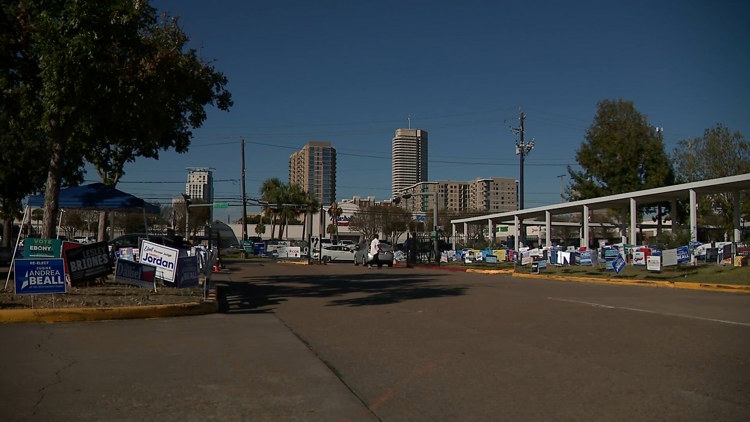
As the sun rose over San Antonio on Election Day, the air buzzed with anticipation. Voters lined up outside polling places, clutching their ballots and sharing their hopes for the future. Among them was Maria Gonzalez, a lifelong resident of Bexar County, who expressed her excitement about participating in a pivotal moment for her community. "Every vote counts, and this is our chance to make our voices heard," she said, her determination evident.
On November 8, 2026, Bexar County voters took to the polls to decide crucial races that could shape the political landscape of Texas for years to come. The ballot included key positions such as U.S. Senate, governor, lieutenant governor, attorney general, and various congressional seats. These elections are particularly significant as they occur during a midterm cycle that often influences the balance of power in Washington, D.C.
The stakes were high, with candidates vying for the attention of a diverse electorate. According to the Texas Secretary of State, over 2.5 million registered voters in Bexar County were eligible to cast their ballots. This represented a significant portion of the state's electorate and underscored the importance of voter turnout in local and state elections.
With early voting showing promising numbers, election officials anticipated a robust turnout. In fact, the early voting period saw a 15% increase compared to the previous midterm election, indicating heightened engagement among residents. This surge was attributed to increased awareness campaigns and grassroots efforts aimed at mobilizing voters.
Among the key races, the contest for U.S. Senate drew considerable attention. Incumbent Senator John Smith faced off against challenger Maria Lopez, a former state representative known for her progressive policies. Lopez's platform emphasized healthcare reform, education funding, and environmental protection, resonating with younger voters eager for change.
Additionally, the race for governor featured incumbent Greg Abbott, who sought re-election against Democratic challenger Ana Martinez. Abbott's campaign focused on economic recovery and public safety, while Martinez advocated for expanded access to healthcare and education. The stark contrast in their platforms highlighted the ideological divide within the state.
Voters were also presented with several ballot measures aimed at addressing local issues. One notable proposition sought to increase funding for public education by reallocating existing tax revenues. Proponents argued that the measure would provide much-needed resources for underfunded schools, while opponents raised concerns about potential tax increases.
In the lead-up to the election, community organizations played a vital role in educating voters about the issues at stake. Groups like the Bexar County Democratic Party and the Texas Republican Party hosted forums and town hall meetings, fostering discussions around the candidates and ballot measures. These events aimed to empower voters with the information necessary to make informed decisions.
Local leaders emphasized the importance of civic engagement, urging residents to view voting as a fundamental right and responsibility. "We have a duty to participate in our democracy," said Councilwoman Sarah Ramirez, who attended several community events leading up to the election. "Every voice matters, and we need to ensure that our concerns are represented at every level of government."
The atmosphere on Election Day was charged with excitement and optimism. As voters exited polling places, many shared their thoughts on the election process and the issues they cared about most. For some, it was a matter of economic opportunity, while others focused on social justice and healthcare access.
"I voted for my children’s future," said David Martinez, a father of three. "I want them to grow up in a community that values education and provides them with opportunities to succeed." His sentiments echoed the feelings of many voters who viewed this election as a turning point for their families and neighborhoods.
As the day progressed, social media platforms buzzed with updates from voters sharing their experiences at the polls. Hashtags like #BexarVotes and #Election2026 trended as residents encouraged one another to participate. This digital engagement reflected a broader trend of utilizing technology to enhance civic participation.
Despite the enthusiasm, challenges remained. Long wait times at polling locations and technical difficulties with voting machines were reported in some areas, prompting concerns about accessibility. Election officials worked diligently to address these issues, ensuring that every voter had the opportunity to cast their ballot.
In response to these challenges, community leaders rallied to support those facing obstacles. Volunteers provided assistance to elderly voters and individuals with disabilities, ensuring that everyone could exercise their right to vote. This spirit of collaboration underscored the resilience of the Bexar County community.
As the polls closed and the counting began, the community held its breath in anticipation of the results. The outcome of these elections would not only determine the future of Bexar County but also have implications for the state of Texas and beyond. Residents understood that the decisions made on this day would shape policies affecting education, healthcare, and public safety.
In the days following the election, local organizations planned to host post-election forums to discuss the results and their implications. These gatherings would provide a platform for community members to express their thoughts and engage in constructive dialogue about the future.
Moreover, the engagement seen during this election cycle is expected to carry over into future elections. Many voters expressed a desire to remain involved and informed, recognizing that civic participation is an ongoing commitment. The momentum generated by this election could pave the way for a more engaged electorate in the years to come.
For those looking to stay informed about local issues and upcoming elections, several resources are available. The Bexar County official website provides information on voter registration, polling locations, and election updates. Additionally, the Vote Texas website offers comprehensive resources for voters, including information on candidates and ballot measures.
Local organizations such as the League of Women Voters and Bexar County Democratic Party provide educational materials and host events aimed at increasing voter engagement. By leveraging these resources, residents can continue to stay informed and involved in their democracy.
As Bexar County moves forward from this election, it is essential for residents to remain engaged and committed to the ideals of democracy. The strength of a community lies in its ability to come together, advocate for change, and support one another in the pursuit of a better future.
By Lily Nguyen
By Sophia Tran
By Sophia Tran

By Sophia Tran