Schools
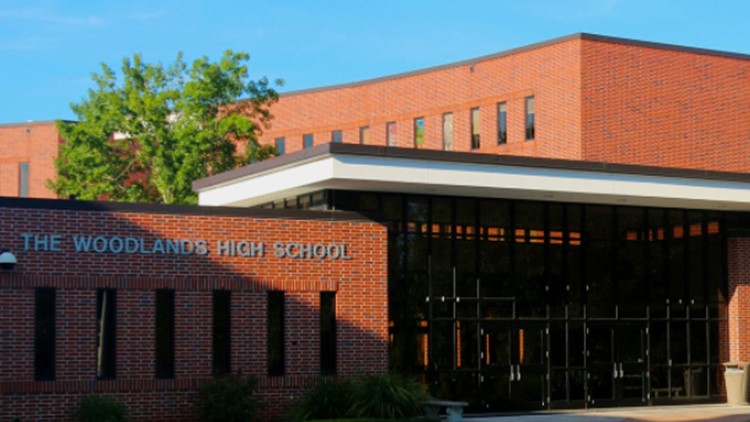
The Woodlands High School placed on lockdown due to threat
By Jamal Carter
Advertisement · Why this ad?
David Ramirez has over 15 years of experience in journalism, starting his career at the Houston Chronicle before moving to local NPR affiliates. He holds a Bachelor’s degree in Journalism from the University of Texas at Austin and now leads the editorial team at Sugar Land Current, focusing on hyper-local insights.
More from David →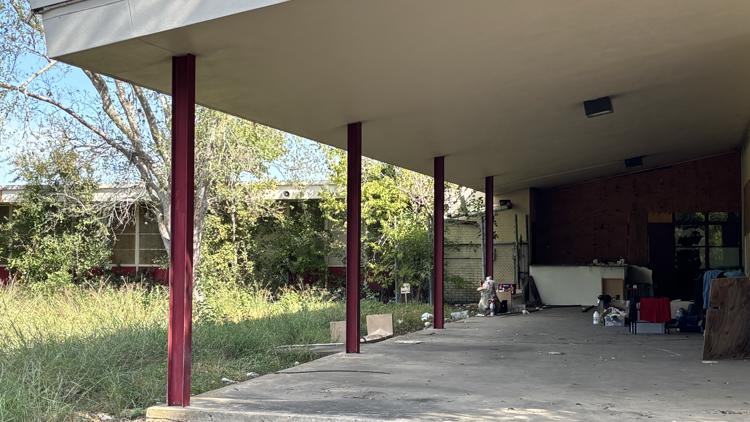
On a quiet morning in Sunnyside, Maria Lopez steps outside her modest home, her eyes scanning the abandoned lot where the old Sunnyside Elementary once stood. The sight of broken windows, graffiti-covered walls, and discarded trash paints a troubling picture of neglect. For Lopez and many neighbors, this vacant shell has become a symbol of deeper community struggles—one that threatens the safety and well-being of their families and children.
Since the school closed several years ago, Sunnyside residents have watched with growing concern as the site has become a magnet for illegal dumping, vandalism, and other criminal activities. Local authorities report an uptick in calls related to trespassing, drug activity, and unsafe conditions around the property. Despite repeated calls for intervention, little has changed, leaving residents frustrated and worried about their safety.
The vacant school, once a hub of learning and community gathering, now stands as a stark reminder of unmet promises and neglected infrastructure. The property’s deterioration has not only diminished neighborhood aesthetics but also posed real hazards—broken glass, exposed wiring, and unstable structures threaten children and residents alike. Community leaders and residents alike are demanding decisive action from city officials to address these issues.
Sunnyside residents have organized meetings, written letters, and petitioned local government to take responsibility for the site’s cleanup and security. Many emphasize that the problem extends beyond aesthetics; the safety of children walking to nearby schools and families enjoying local parks is at risk. “This isn’t just about an eyesore,” says local parent David Carter. “It’s about our children’s safety and the future of our neighborhood.”
Community advocates highlight that the ongoing neglect undermines efforts to build a stronger, more cohesive neighborhood. They point out that abandoned properties often become hotspots for illegal activities, which can lead to increased crime rates and diminished property values. The residents’ plea is clear: they want a comprehensive plan that includes fencing, security patrols, and eventual redevelopment of the site into a safe, family-friendly space.
City officials acknowledge the concerns but cite budget constraints and bureaucratic hurdles as obstacles to immediate action. The local council has scheduled a town hall meeting next month to discuss potential solutions, including partnerships with nonprofit organizations and private developers. The goal is to turn the vacant lot into a community asset rather than a liability.
In the meantime, residents like Lopez remain vigilant, organizing neighborhood watch efforts and advocating for increased police patrols. They hope that sustained community pressure will prompt quicker action. The story of Sunnyside’s vacant school underscores a broader challenge faced by many neighborhoods: how to transform neglected spaces into safe, vibrant centers that uphold the values of family, faith, and community commitment.
As Sunnyside looks toward the future, the community’s resilience and faith in collective effort remain strong. They understand that building a safe neighborhood requires more than just quick fixes; it demands genuine partnerships, responsible stewardship, and a shared commitment to the American dream of safe, stable families thriving together.
Sunnyside, a historically diverse and vibrant neighborhood in Houston, has long been a tight-knit community with a deep sense of identity rooted in its cultural heritage. Originally established in the early 20th century, Sunnyside grew rapidly during the post-World War II era, attracting working-class families seeking affordable housing and proximity to Houston’s booming industries.
Over the decades, Sunnyside has faced its share of economic hardships and urban development challenges. The closure of Sunnyside Elementary in recent years was part of a broader trend of school consolidations and closures across Houston, often driven by budget cuts and shifting demographics. For residents like Lopez, the school was more than just a building; it was a cornerstone of community life, hosting events, sports, and serving as a safe space for children.
Today, Sunnyside’s demographic makeup remains diverse, with a mix of long-time residents and newer arrivals. Many families still rely on local schools, parks, and community centers to foster social bonds and support their children's growth. The vacant lot, therefore, is not just an eyesore but a symbol of the neighborhood’s ongoing struggles to maintain its vibrancy amid economic and infrastructural challenges.
Local activist and Sunnyside Community Organization president, Rosa Martinez, has been at the forefront of efforts to address the vacant school issue. With over 20 years of experience working in community advocacy, Rosa has organized multiple town halls and petitions aimed at holding city officials accountable. “Our neighborhood has a rich history, but we need to protect our future,” she says. “This site is a safety hazard, and it’s also an opportunity for renewal if we get the right support.”
Other community leaders include Pastor James Allen of the Sunnyside Faith Alliance, who emphasizes the importance of faith-based outreach in fostering community resilience. “We see this vacant lot as a call to action—an opportunity to come together and rebuild,” he states. Local school board members and city council representatives have also expressed interest in finding solutions, though progress has been slow due to competing priorities and limited funding.
The safety concerns surrounding the vacant school are not just about aesthetics; they directly impact residents’ daily lives. Parents worry about children’s safety on their way to school, and local business owners fear that ongoing vandalism and illegal dumping could deter customers and reduce property values. For many, the vacant lot symbolizes a broader sense of neglect that erodes community pride and cohesion.
Furthermore, the issue highlights systemic challenges faced by many underserved neighborhoods in Houston and across the nation—where economic disparities often translate into neglected infrastructure and diminished quality of life. Addressing the Sunnyside site is a step toward restoring community trust, fostering economic revitalization, and ensuring that future generations inherit a safe, thriving neighborhood.
City officials have promised to prioritize the cleanup and redevelopment of the Sunnyside site. The upcoming town hall meeting will be a critical forum for residents to voice their concerns and hear about potential plans, including possible partnerships with nonprofit groups and private developers interested in revitalizing the area.
Meanwhile, residents like Lopez and others remain proactive. Neighborhood watch groups have increased patrols, and local organizations are working to secure grants for cleanup efforts. The community is also exploring innovative solutions such as converting the vacant lot into a community park or garden, which could serve as a catalyst for neighborhood renewal.
Long-term, advocates hope that the city will allocate dedicated funding and resources to ensure the site’s transformation into a safe, vibrant space that benefits everyone. The story of Sunnyside’s vacant school underscores a broader challenge faced by many neighborhoods: how to turn neglected spaces into assets that foster community pride, safety, and economic growth.
As the community continues to organize and advocate, their resilience and collective spirit serve as a reminder that meaningful change is possible when neighbors work together with local government and stakeholders committed to revitalization.
By Jamal Carter
By Ethan Lee
By Sophia Tran
By Sophia Tran