Government
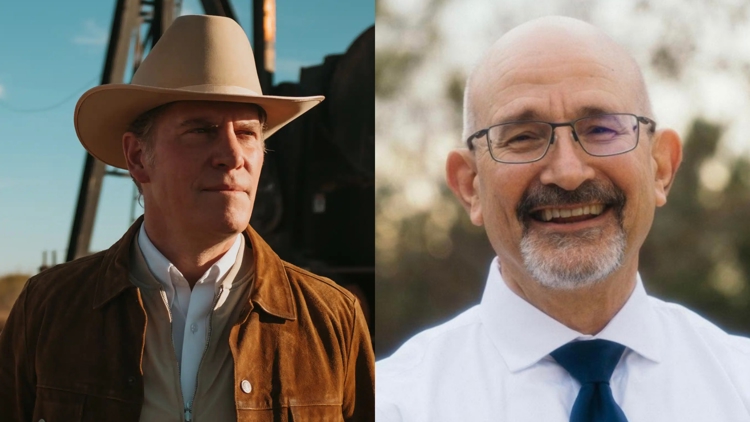
Texas election results: Bo French, Jon Rosenthal in the race for Texas Railroad Commissioner
By Ethan Lee
Advertisement · Why this ad?
Ethan Lee has a Bachelor’s degree in Political Science from Rice University and has covered local government and civic affairs for 6 years. His previous work includes reporting for the Fort Bend Herald and he brings a critical eye to local governance.
More from Ethan →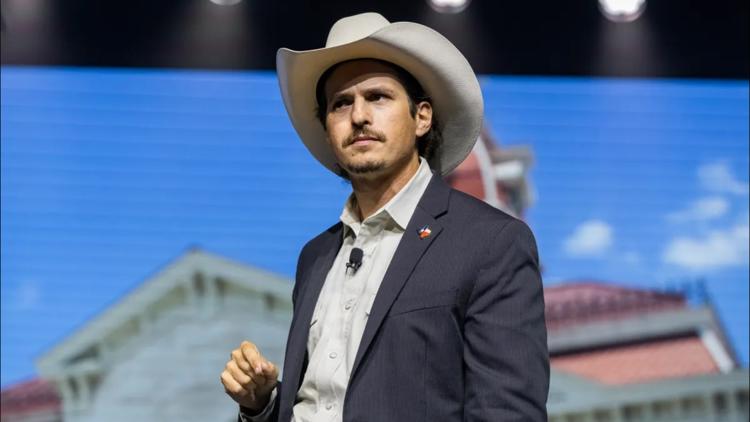
Amidst the sprawling fields and bustling markets of Sugar Land, a palpable sense of change is in the air. Clayton Tucker, a candidate with a vision for the future of Texas agriculture, is on the brink of making history. If elected, he will become the first Democratic agriculture commissioner in nearly four decades, a role that could reshape the state's agricultural landscape.
Clayton Tucker is running for the position of Texas agriculture commissioner, a role that has been dominated by Republican leadership since Jim Hightower held the office in 1990. Tucker's campaign is focused on revitalizing the agricultural sector, emphasizing sustainable practices and supporting local farmers. His candidacy comes at a time when many Texans are increasingly aware of the importance of agriculture not only as an economic driver but also as a cornerstone of community life.
The Texas agriculture commissioner oversees a department that plays a crucial role in regulating the state's agriculture industry, ensuring food safety, and promoting agricultural education. Tucker's vision includes enhancing these areas by advocating for innovative agricultural techniques and policies that will benefit all Texans.
Residents of Sugar Land, a city known for its diverse population and commitment to community values, have begun to rally around Tucker's campaign. Local farmer and community leader Maria Gonzalez expressed her support, stating, "Clayton understands the challenges we face and has a plan to address them. We need someone who will advocate for our farmers and our families."
Beyond Gonzalez, many residents have voiced their support for Tucker, highlighting the personal stories that underscore the importance of agriculture in their lives. For instance, John Lee, a third-generation rice farmer, shared how the lack of support for sustainable farming practices has affected his family's business. "We've seen the land change, and without proper policies, it’s hard to adapt. Tucker’s approach gives us hope for a future where farming can thrive alongside environmental stewardship," he said.
The sentiment among local agricultural workers is one of cautious optimism. Many have felt the weight of a system that has not prioritized their needs. Tucker's promise to prioritize sustainable practices resonates deeply. As the agricultural landscape shifts due to climate change and economic pressures, farmers are looking for leadership that not only understands these challenges but is also willing to tackle them head-on.
Moreover, Tucker's focus on education and outreach aims to connect younger generations with the farming community. In a time when fewer young people are entering the agricultural field, fostering a new interest is crucial. His outreach programs could help bridge the gap, ensuring that the legacy of Texas agriculture continues. Tucker plans to implement mentorship programs that pair experienced farmers with youth interested in agriculture, providing them with hands-on experience and knowledge.
Texas agriculture is not just about crops and livestock; it’s about community, culture, and identity. In Sugar Land, the local farmers' market has become a hub for residents to connect with producers, fostering a sense of community and encouraging the consumption of locally grown food. Tucker's commitment to supporting local farmers aligns with the desires of many residents who value fresh, sustainable produce. He envisions expanding farmers' markets across the state, allowing more communities to benefit from direct access to local goods.
Furthermore, Tucker aims to address the pressing issue of food deserts in urban areas, where access to fresh produce is limited. By promoting urban agriculture initiatives, he hopes to empower communities to grow their own food, thereby enhancing food security and community resilience.
As the election draws nearer, Tucker's campaign is ramping up its efforts to engage with voters. Town hall meetings and community events are being organized to allow constituents to voice their concerns and ask questions directly. Tucker is committed to transparency and accessibility, aiming to create an open dialogue with those he hopes to serve.
With early voting set to begin soon, the stakes are high. Tucker's campaign is not just about winning an election; it represents a shift in the political landscape of Texas agriculture. If successful, he could pave the way for a new era of policies that prioritize sustainability and community engagement. His campaign team is also leveraging social media to reach younger voters, emphasizing the importance of their participation in shaping the future of agriculture.
The significance of Tucker's candidacy extends beyond party lines. It symbolizes a potential for change in an industry that has long been influenced by traditional practices. As Texas grapples with issues like water scarcity and food security, the need for innovative solutions becomes more pressing. Tucker's vision could provide a roadmap for addressing these challenges while honoring the state's agricultural heritage.
Moreover, the impact of this election could resonate throughout the state, influencing not just agricultural policies but also the broader socio-economic landscape. A focus on sustainable practices could lead to healthier communities, stronger local economies, and a renewed sense of pride in Texas agriculture.
For those interested in learning more about Tucker's campaign and the issues at stake, several resources are available. The Texas state website provides information about upcoming elections, including early voting dates and polling locations. Additionally, the Texas Department of Agriculture offers insights into the current state of agriculture in Texas, along with resources for farmers and consumers alike.
Community organizations are also stepping up to educate voters on the importance of this election. Groups like the Texas Farm Bureau are hosting informational sessions and providing materials to help voters understand the implications of the agriculture commissioner's role. Local nonprofits are also collaborating with Tucker’s campaign to ensure that marginalized communities have a voice in the election, emphasizing the need for inclusivity in agricultural policy discussions.
As we approach election day, the excitement surrounding Clayton Tucker's candidacy is palpable. For many in Sugar Land, this election is more than just a political contest; it is a chance to advocate for the future of agriculture in Texas. With a commitment to sustainability and community engagement, Tucker's vision could usher in a new era for the state's agriculture department.
Ultimately, whether or not Tucker secures the position, his campaign has sparked important conversations about the direction of Texas agriculture. As residents engage with these issues, they have the opportunity to shape the future of their communities and the lives of countless families who depend on agriculture for their livelihoods. The outcome of this election could determine not only the policies that govern Texas agriculture but also the vitality and sustainability of the agricultural community for generations to come.
By Ethan Lee

By Tanya Patel

By Sophia Tran

By Sophia Tran