Government
Clayton Tucker poised to become first Democratic agriculture commissioner in nearly 40 years
By Ethan Lee
Advertisement · Why this ad?
Ethan Lee has a Bachelor’s degree in Political Science from Rice University and has covered local government and civic affairs for 6 years. His previous work includes reporting for the Fort Bend Herald and he brings a critical eye to local governance.
More from Ethan →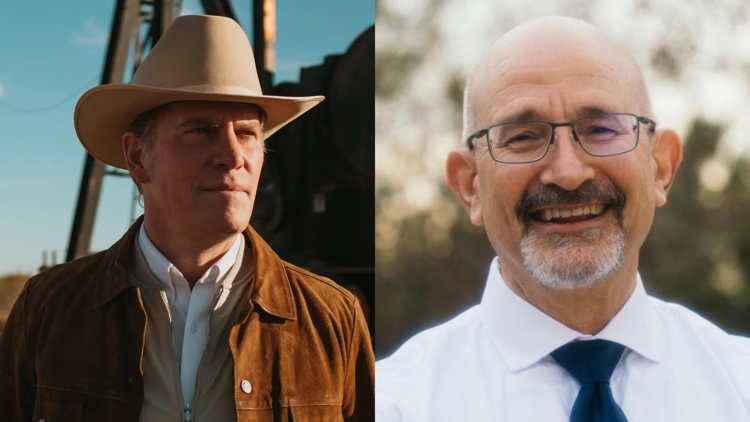
As the sun dipped below the horizon, casting a warm glow over Sugar Land, the excitement in the air was palpable. Residents gathered in local coffee shops and community centers, their conversations buzzing with anticipation about the upcoming election for Texas Railroad Commissioner. A position that may sound obscure to some, the role has enormous implications for the state’s energy industry and, by extension, the everyday lives of Texans.
The Texas Railroad Commission, despite its name, is not about trains. Instead, it oversees the state’s oil and gas industry, making it a pivotal player in regulating energy production and ensuring the safety of the environment. With Texas being the largest oil producer in the United States, the decisions made by this commission resonate far beyond the state’s borders. The upcoming election features two prominent candidates: Bo French and Jon Rosenthal, both vying for the opportunity to shape Texas's energy future.
Bo French, a seasoned professional in the energy sector, brings a wealth of experience to the table. He emphasizes the need for regulatory reforms that balance environmental concerns with the state’s economic interests. French argues that Texas can lead the nation in energy production while also being a steward of the environment. “We need to innovate, not just regulate,” he said during a recent campaign event. “The future of our energy industry depends on our ability to adapt and evolve.”
On the other side, Jon Rosenthal, a Democratic state representative, champions a more progressive approach. He advocates for stricter regulations on emissions and greater accountability for energy companies. Rosenthal believes that the commission should prioritize public health and safety over corporate profits. “The people of Texas deserve clean air and clean water,” he stated. “It’s time we hold these companies accountable for their actions.”
As the election draws near, community engagement has become a focal point for both candidates. Town halls, meet-and-greets, and debates have filled the calendar, allowing residents to voice their concerns and ask pressing questions about energy policy. The stakes are high; decisions made by the Railroad Commission affect everything from energy prices to environmental protection.
Residents like Maria Gonzalez, a Sugar Land mother of three, are particularly invested in the outcome. “I worry about the air my kids breathe and the water we drink,” she expressed during a recent community forum. “We need leaders who will prioritize our health over profits.” Her sentiments echo a growing concern among many residents who feel the urgency of addressing climate change and environmental degradation.
In contrast, some community members, like local business owner Tom Miller, are more focused on the economic implications of energy regulations. “We need to keep Texas competitive in the energy market,” he said. “Too much regulation could hurt small businesses like mine that rely on affordable energy.” This divide illustrates the complex balancing act the next Railroad Commissioner will face.
Both French and Rosenthal have outlined their platforms in detail, seeking to appeal to a diverse electorate. French’s campaign emphasizes innovation and technological advancement in energy production. He advocates for investment in renewable energy sources while maintaining Texas's status as a leader in fossil fuels. His plan includes initiatives to foster collaboration between traditional energy companies and renewable startups.
In contrast, Rosenthal’s platform is rooted in social justice and environmental equity. He aims to address the disproportionate impact of pollution on marginalized communities. His proposals include stricter emission standards and increased funding for clean energy projects in low-income areas. “Energy justice is not just a buzzword; it’s a necessity,” he remarked, underlining his commitment to equitable energy solutions.
While many may overlook the significance of the Texas Railroad Commission, its impact is felt throughout the state. The commission regulates the oil and gas industry, oversees pipeline safety, and ensures the protection of groundwater resources. Given the current climate crisis, the decisions made by this body have never been more crucial.
According to the Texas Oil and Gas Association, the industry contributes over $400 billion to the state’s economy and supports millions of jobs. Therefore, the Railroad Commissioner plays a vital role in maintaining this economic engine while ensuring environmental safeguards are in place. The upcoming election could redefine the commission's priorities, setting the tone for Texas's energy landscape for years to come.
Beyond the immediate implications for energy policy, the outcome of this election will have lasting effects on Texas communities, particularly those that have historically been marginalized. Environmental justice advocates stress that the decisions made by the Railroad Commission can exacerbate existing inequalities. For instance, low-income neighborhoods often bear the brunt of pollution from nearby oil and gas operations. Residents in these areas have been vocal about their need for representation that prioritizes their health and well-being.
Community organizations, such as the Texas Environmental Justice Advocacy Services, have been working tirelessly to inform residents about the election and encourage them to participate. Their efforts include hosting educational workshops, distributing informational flyers, and facilitating discussions about how energy policies affect local communities. “We need to empower our residents to make informed choices,” said Angela Ramirez, a community advocate. “This election is a chance for us to demand accountability from our leaders.”
As the election date approaches, the stakes are higher than ever. Voter turnout will be critical, as both candidates work tirelessly to rally support. French and Rosenthal have both launched extensive outreach campaigns, utilizing social media, traditional advertising, and grassroots organizing to engage voters.
In a state where energy is synonymous with identity, the position of Railroad Commissioner is not merely a bureaucratic role; it’s a chance to influence the future of Texas. Residents are encouraged to educate themselves on the candidates’ platforms and participate in the electoral process. Whether through early voting or attending local events, every voice matters in this pivotal election.
The outcome of this race will not only shape the future of Texas’s energy policy but also reflect the values and priorities of its citizens. As Sugar Land residents prepare to cast their votes, they do so with the hope of electing a leader who will champion both economic growth and environmental stewardship. The election is not just about choosing a candidate; it’s about deciding the kind of future Texans want for their families, their communities, and their environment.
By Ethan Lee

By Sophia Tran

By Tanya Patel
By Marcus Bell